If pumps could talk, wouldn’t life be so much easier? But they don’t. And when they work, everything is perfect. Until they don’t.
The good news? Pumps rarely fail without giving you a few hints first. The bad news? Those hints are easy to ignore until your system throws in the towel. Here’s your guide to spotting the early warning signs and deciding whether your pump needs a bit of TLC or a one-way ticket to the landfill.
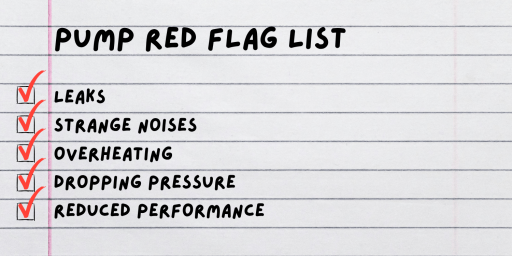
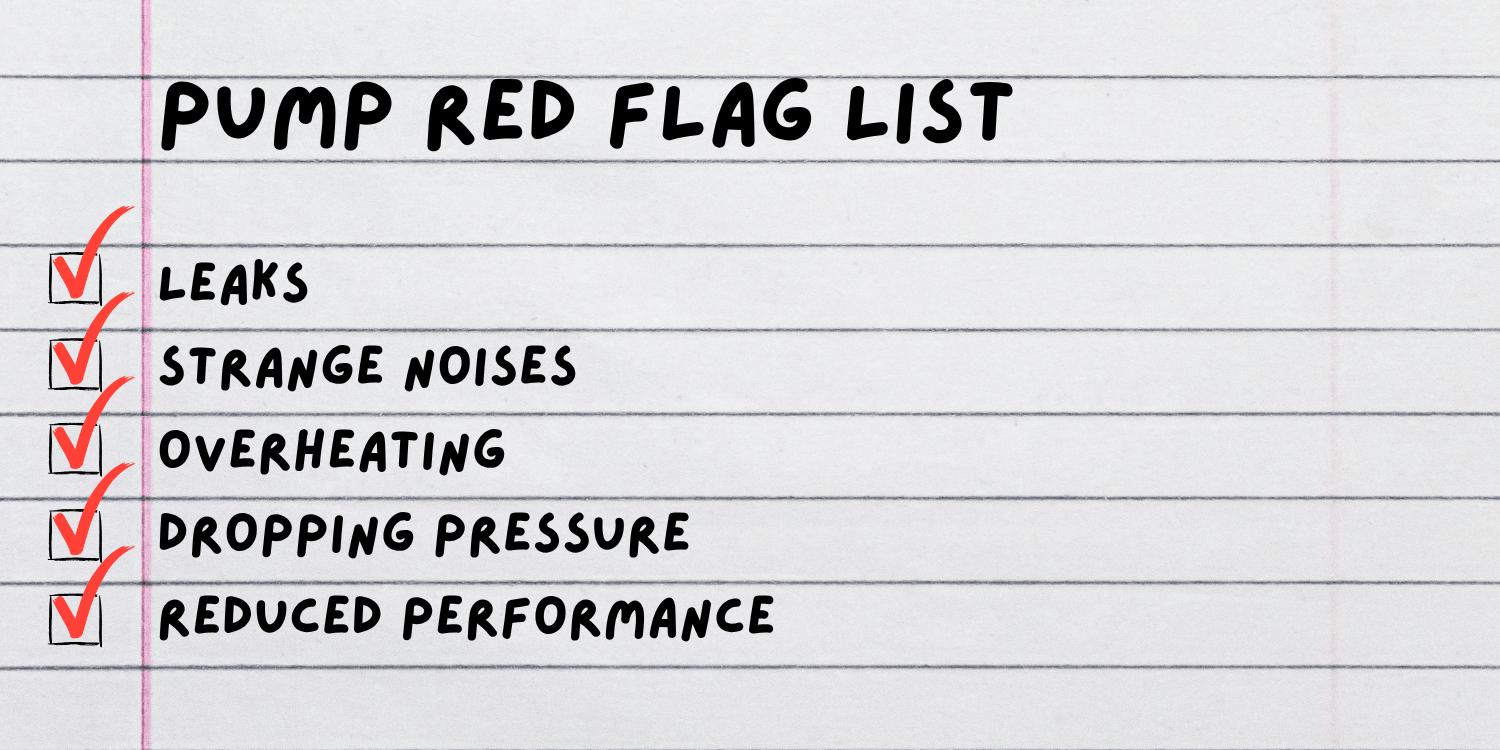
Leaks
Leaks are the “obvious but ignored” problem. A tiny puddle here, a damp patch there, and before you know it, your floor looks like a set from Waterworld.
Why leaks happen:
- Worn seals or gaskets – they’re not immortal
- Corrosion – it happens
- Cracked casing – sometimes pumps just can’t take the stress
Even a slow drip is a red flag. Ignoring it is like hoping a coffee stain will magically disappear (psst, it won’t). If you see leaks, it’s time to start investigating.
Strange Noises
Pumps are not supposed to sound like a metal band rehearsing at midnight, yet that’s exactly what happens when they’re unhappy.
Listen for:
- Grinding or rattling – worn bearings or rogue debris
- Humming or whining – the motor’s overworked
- Bubbling or cavitation – the pump’s inner turmoil made audible
Noises aren’t just annoying, they’re warnings. Ignore them and you’ll be left with a bigger headache (and a lighter wallet).
Overheating
If your pump feels hotter than a summer BBQ, something’s up. Overheating can happen because:
- Clogged impellers are choking the flow
- Electrical faults are forcing it to work overtime
- Running dry – basically asking it to fry itself
An overheating pump isn’t just inefficient and racking up those energy bills; it’s on the fast track to permanent damage. Treat it seriously, or you’ll be saying goodbye to your trusty old friend sooner than expected.
Dropping Pressure
Nothing ruins a shower faster than suddenly weak water flow. Dropping pressure is subtle but dangerous; your pump is really trying, but something’s blocking the way.
Common culprits:
- Clogged filters or pipes – like traffic jams for water
- Worn internal components – pumps tire out too
- Airlocks or cavitation – little bubbles causing big headaches
Low pressure isn’t just frustrating; it forces your pump to work harder, risking more damage. Pay attention before it turns into a full-blown plumbing disaster.
Reduced Performance
Sometimes your pump isn’t being dramatic; it just becomes… underwhelming. Signs of a pump losing its edge:
- Longer tank or radiator fill times
- Water that’s warm instead of hot
- More frequent system cycling
This is usually wear and tear, scaling, or age catching up. Your pump might limp along for a while, but eventually, it’ll stop altogether. Better to spot the slowdown now than face a full system shutdown later.
Repair or Replace? Here’s the Cheat Sheet
- Repair: Newish pump, minor problems (worn seals, bearings, small blockages). Quick fix, longer life.
- Replace: Old pump, multiple problems, or poor efficiency. More expensive upfront, but saves headaches (and cash!) long term.
Think of it like a car: a new set of brake pads? Easy fix. Knocking engine and constant overheating? Time to consider a new ride.
Keep Your Pump Happy
Pumps aren’t massively high maintenance, but a little care goes a long way:
- Check regularly – leaks, noises, or weird behaviour
- Keep it clean – sludge and debris are enemies
- Follow service schedules – don’t wait until disaster strikes
- Monitor performance – small changes can prevent big problems
A well-maintained pump is a happy pump. And a happy pump makes for a happy, well… you.
When in Doubt, Call Experts
At Pump Sales Direct, we know pumps. If your system is acting up, don’t guess; get professional advice. We can help you decide whether a repair is enough or if it’s time to upgrade. And yes, we’ve got stock ready to go, so you’re never left waiting weeks for a replacement.
Quick Recap:
- Leaks = internal trouble
- Noises = cry for help
- Overheating = danger zone
- Dropping pressure = struggling to perform
- Reduced performance = maybe time for a replacement
Catch problems early, give your pump some TLC, and you’ll avoid a plumbing nightmare. And if you need a new pump, PSD’s got you covered so you can get back to business.
Ready to go shopping? Click here.