Submersible pumps and float switches are simple, proven bits of kit. They sit out of sight in sumps, wet wells, and chambers, quietly doing their job day in, day out. When they’re set up properly, they’re some of the most reliable components in any pumping system.
That’s why they’re used everywhere. Wastewater systems, basements, plant rooms, commercial buildings, and industrial sites all rely on the same basic principles. The equipment itself is not complicated, but understanding how the parts work together makes a big difference to how well a system performs over time.
This guide is a straightforward introduction to how submersible pumps and float switches work, and how to use them properly.
What a Submersible Pump Actually Does
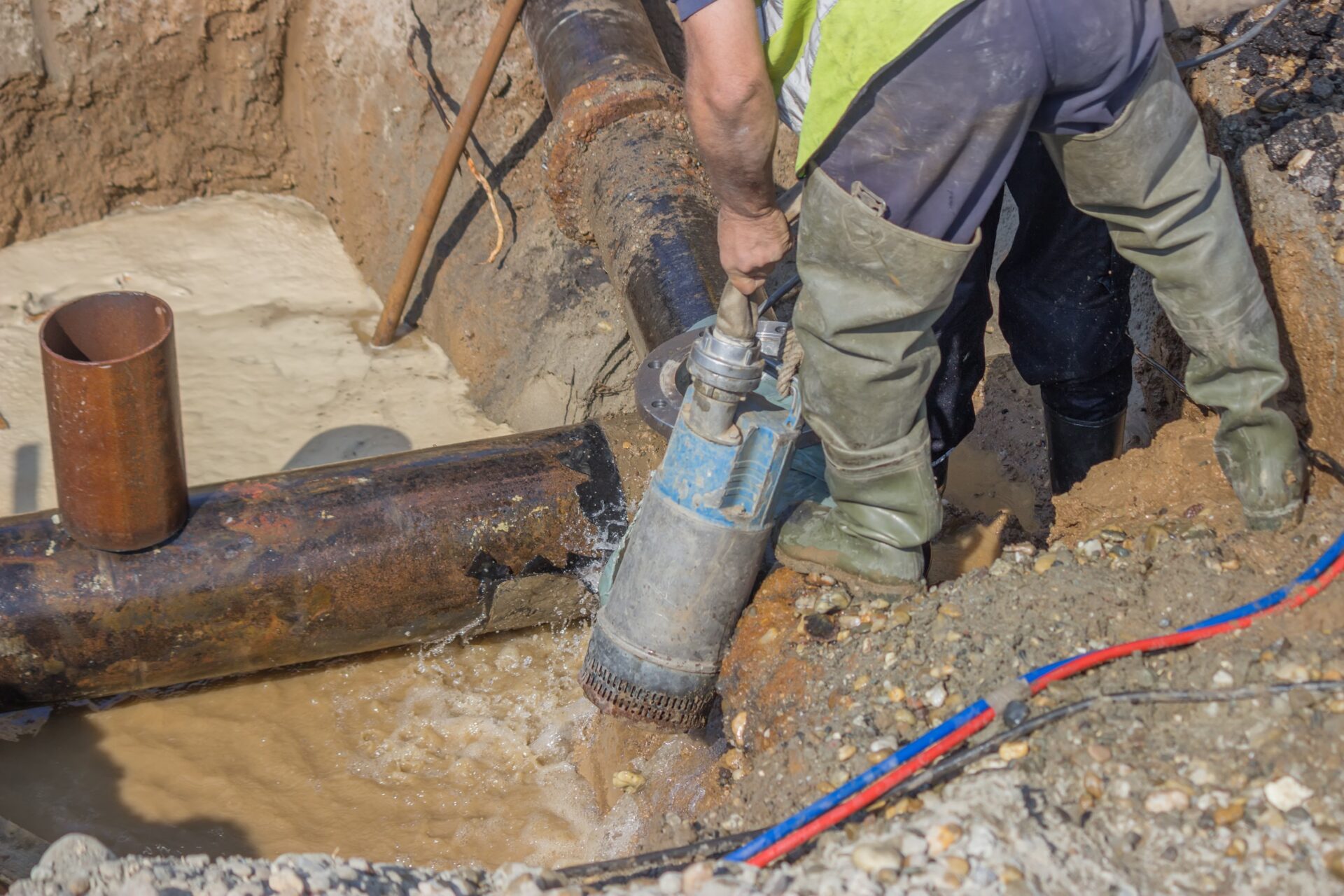
A submersible pump is designed to sit below the surface of the liquid it’s pumping. Because it operates under the water level, it doesn’t need priming. Gravity takes care of that part.
Submersible pumps handle a wide range of duties, from clean drainage water to foul sewage containing solids. That’s where specification matters. Vortex, channel, and cutter impellers all exist for different types of flow and debris. Choosing the right impeller design ensures the pump moves what it’s supposed to move without unnecessary wear or blockages.
The motor and hydraulics are sealed inside a watertight casing, allowing the pump to operate directly in the fluid it’s moving. This often makes submersible pumps compact, efficient, and well-suited to confined spaces where surface-mounted pumps would be impractical.
Cooling comes from the surrounding liquid. As long as the pump remains submerged, heat is carried away naturally, keeping the motor within safe operating limits. This is one of the reasons submersible pumps perform so well in continuous or intermittent duty applications.
Where Submersible Pumps Are Commonly Used
You’ll find submersible pumps in wastewater and sewage systems, foul-water applications, stormwater and drainage setups, effluent and process-water duties, and flood-prevention sumps.
Their ability to operate below the liquid level makes them easy to start, efficient to run, and reliable when they’re correctly selected for the job.
The Float Switch Does More Than People Think
If the pump is the muscle of the system, the float switch is the brain. It decides when the pump runs and when it stops.
Most float switches are simple mechanical devices. As the liquid level rises, the float lifts. When it reaches a certain angle, an internal switch activates and starts the pump. As the level drops, the float falls back and switches the pump off.
This simplicity is exactly why float switches are so widely used. They’re easy to understand, easy to replace, and well-suited to harsh environments when installed correctly.
Some systems use a single float. Others use multiple floats to control pump start, pump stop, high-level alarms, or standby pumps. The arrangement depends on the size of the sump, the inflow rate, and the site risks.
How Pumps and Float Switches Work Together
In a basic setup, the relationship is straightforward. The float detects a rising liquid level and starts the pump. The pump lowers the level. The float follows and stops the pump. The system resets and waits for the next cycle.
Where performance improves is in the setup. Correct float spacing helps prevent excessive starts. Sensible tether lengths allow smooth operation. Good cable management keeps everything moving freely.
Installation
Even good equipment needs a sensible installation.
Submersible pumps should be positioned securely, with discharge pipework that is properly supported and aligned. This reduces vibration and helps seals and bearings last longer.
Float switches need clear space to move through their full operating range. They should be mounted away from incoming flows, turbulence, and obstructions, with cables secured neatly so they don’t drift or snag.
Maintenance
Submersible pump systems don’t need constant attention, but they do benefit from routine checks.
Pumps can be inspected for wear, noise, vibration, or changes in performance. Float switches should be tested physically to confirm they activate and reset as intended. In wastewater systems, cleaning is just as important as testing, as debris and grease can affect movement over time.
Common Issues
When problems do occur, they’re usually straightforward.
A float may be obstructed. A cable may be poorly routed. A standby pump may not have run for a while. These are not complex failures, but they are easy to miss if everything is left unchecked.
Understanding how pumps and float switches interact makes these issues easier to spot and fix before they become more disruptive.
Using Submersible Pumps and Float Switches Properly
Reliable systems are rarely complicated. They are suitable for the application, installed correctly, and checked often enough to catch small issues early.
Use a pump designed for the type of liquid it’s handling. Use float switches suited to the environment they’re working in. Install both with some thought. Test them before they’re needed.
Most problems are avoidable with a bit of understanding and attention.
Final Thoughts
When they’re set up properly, submersible pumps and float switches are dependable, efficient, and easy to live with. When they’re misunderstood or neglected, they tend to get noticed for the wrong reasons.
A basic understanding of how they work goes a long way towards keeping things quiet, dry, and under control.
If you want help choosing, installing, or maintaining submersible pump systems, speak to one of our experts.
Shop submersibles here.