A reliable pump system is not just about choosing the right pump for today’s demand. It is also about making sure the system can continue operating when conditions change.
For some applications, a single pump is perfectly suitable. However, where reliability is critical, a duty and standby pump arrangement provides an additional level of protection.
From commercial buildings and irrigation systems to wastewater applications and industrial processes, backup pumps help reduce downtime, simplify maintenance, and keep essential systems running.
But what exactly is the difference between a duty pump and a standby pump, and when is a backup pump worth considering?
What Is a Duty Pump?
A duty pump is the main operating pump within a system.
It is selected to handle the expected flow rate and pressure requirements of the application and will typically be the pump that runs during normal operation.
Duty pumps are commonly used for:
- Water boosting systems
- Irrigation and landscaping systems
- Heating and cooling applications
- Wastewater and drainage systems
- Industrial processes
The duty pump does the majority of the work, so correct sizing is important. A pump that is too small may struggle to meet demand, while a pump that is oversized may operate inefficiently.
The goal is always the same: match the pump to the system requirements.
What Is a Standby Pump?
A standby pump is a secondary pump installed to provide backup capacity.
Unlike the duty pump, the standby pump may not run continuously. Its role is to be available when required.
A standby pump can help by:
- Taking over if the duty pump develops a fault
- Supporting higher demand periods
- Allowing maintenance without completely shutting down the system
- Improving overall system reliability
It is important to remember that a standby pump is not simply a spare pump sitting on a shelf. It is part of the system design and should be selected, installed, and maintained correctly.
How Do They Work Together?
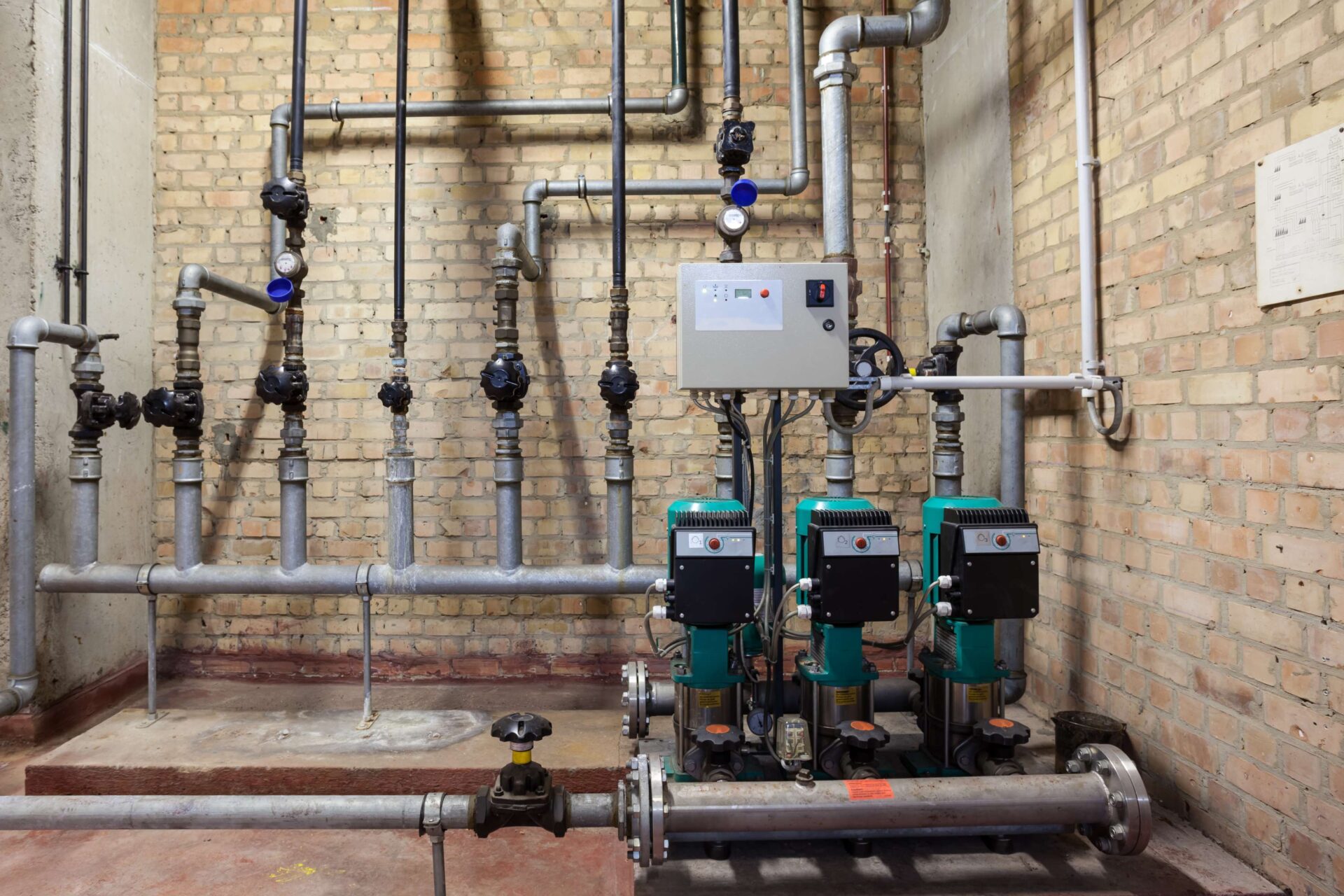
In a typical duty and standby arrangement, one pump operates as the primary pump while the other remains available.
Depending on the application, the system may use automatic controls to manage operation.
For example, if the duty pump cannot achieve the required performance, the standby pump can be brought online to maintain operation.
Some systems also alternate which pump operates as the duty.
This helps balance running hours between pumps, reducing the chance of one pump receiving significantly more wear than the other.
The exact setup depends on the application, required reliability, and control system.
Why Use a Duty and Standby Pump System?
The main reason for using a duty and standby arrangement is reliability.
Some systems can tolerate a pump being unavailable for a short period. Others cannot.
Reduced Downtime
A standby pump provides additional resilience.
If the duty pump requires repair or maintenance, the standby unit can help maintain operation while the issue is addressed.
This is particularly valuable in applications where stopping the system causes disruption.
Easier Maintenance
Maintaining a pump while it is still needed is not always practical.
A backup pump allows engineers to carry out inspections, servicing, or repairs without immediately taking the whole system offline.
Improved Capacity During Peak Demand
Some systems experience changes in demand throughout the day or year.
For example:
- Irrigation systems may run more during warmer months
- Commercial buildings may experience changing water demand
- Industrial systems may have periods of increased usage
A standby pump can provide additional capacity when the system requires it.
Where Are Duty and Standby Pumps Used?
Duty and standby pump systems are used across a wide range of applications.
Commercial Buildings
Large buildings often rely on booster pump systems to maintain consistent water pressure. A backup pump helps ensure that a single pump issue does not affect the entire building.
Irrigation Systems
Large-scale irrigation relies on dependable water delivery. Agricultural sites, parks, sports grounds, and commercial landscaping areas may use multiple pumps to maintain reliable watering schedules. During periods of high demand, having additional capacity can be extremely valuable.
Wastewater and Dirty Water Systems
Wastewater applications often require continuous pumping. A standby pump provides backup capacity if the duty pump needs attention or cannot handle the required flow.
Industrial Applications
Many industrial processes depend on pumps operating consistently. In these environments, reducing downtime is often a major priority, making backup pumping capacity an important consideration.
Does a Standby Pump Need Maintenance?
Yes. A standby pump is only useful if it is ready to operate when needed.
Because standby pumps may run less frequently, they can sometimes be overlooked during routine maintenance.
Regular checks should include:
- Testing pump operation
- Checking controls and alarms
- Inspecting valves and pipework
- Confirming correct settings
- Ensuring the pump starts correctly
A standby pump should be treated as an active part of the system, not something that is forgotten about.
Do You Always Need a Backup Pump?
Not every installation requires a duty and standby setup.
For smaller systems where a temporary interruption is acceptable, a single pump may be the most practical solution.
However, where downtime could cause disruption, damage, or significant inconvenience, backup pumping capacity is worth considering.
The right choice depends on:
- Maintenance requirements
- The importance of the system
- Required reliability
- Expected demand
- Consequences of failure
PSD to the Rescue
Selecting the right pump arrangement is about understanding the whole system.
At Pump Sales Direct, we help customers choose pump solutions that match their application, whether that is a replacement pump, a booster system, or a complete duty and standby setup.
Know what you need? You can get it here.