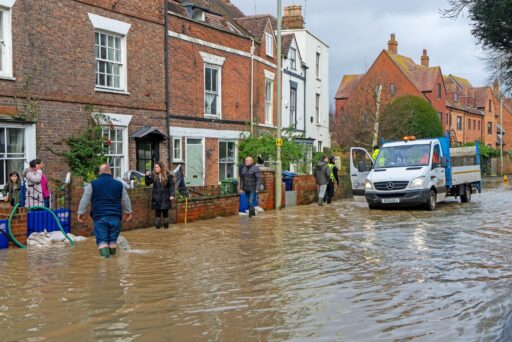
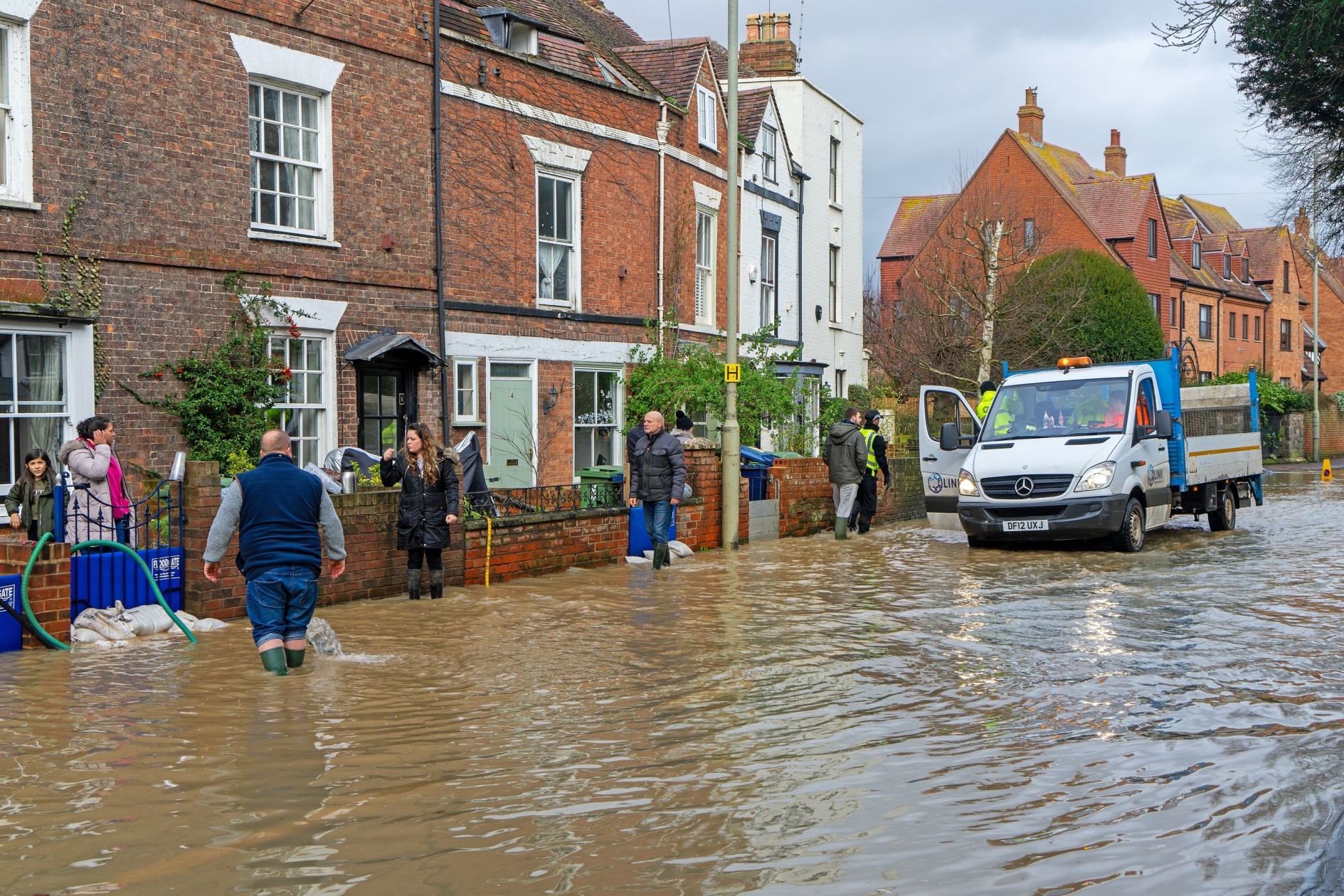
Heavy summer rain can arrive with little to no warning, turning gardens, driveways, basements and low-lying areas into flooded spaces within hours, or even minutes. While floodwater can be disruptive, having the right pump can help you remove standing water quickly, minimise damage and get things back to normal sooner.
We’ll explain how to deal with floodwater safely, the different types of pumps available, and how to choose the best pump for the job.
Why Does Flooding Happen More Often in Summer?
Although many people associate flooding with winter, summer storms can be just as severe. Warm, humid air creates the perfect conditions for heavy downpours, and when large amounts of rain fall in a short space of time, drainage systems can quickly become overwhelmed.
This can lead to flooding in:
- Gardens and patios
- Driveways
- Garages
- Basements and cellars
- Construction sites
- Low-lying outdoor areas
The quicker standing water is removed, the less chance it has to cause damage to buildings, landscaping or equipment.
What’s the Best Way to Remove Floodwater?
For anything more than a small puddle, manually removing floodwater with buckets or mops is slow, exhausting and often ineffective.
A water pump is designed to move large volumes of water quickly and efficiently, making it the safest and most practical solution for most flooding situations.
The key is choosing a pump that’s suitable for the type of water you’re dealing with, how deep the flooding is, and how dry you need the area to be afterwards.
Which Type of Pump Do You Need?
There isn’t a one-size-fits-all solution when it comes to removing floodwater. The best pump depends on the conditions you’re dealing with.
Drainage Pumps
A drainage pump is one of the most versatile pumps for removing unwanted water. Whether you’re clearing a flooded basement, garage, garden or construction site, drainage pumps are designed to move large volumes of water with minimal effort.
Depending on the model, drainage pumps can be used for both clean water and dirty water applications. Clean water pumps are ideal for relatively clear water, such as rainwater in a cellar or water butt. Dirty water pumps, however, are built to handle water containing mud, leaves, grit and other debris without becoming blocked.
Submersible Pumps
A submersible pump is one of the most popular solutions for floodwater removal. Designed to operate while fully submerged, these pumps are easy to position in flooded areas and can move large volumes of water quickly.
Submersible pumps are available for both clean and dirty water applications, making them suitable for everything from flooded garages to waterlogged gardens. Many also feature automatic float switches, allowing the pump to switch on and off as water levels rise and fall.
Puddle Pumps
If you’re dealing with shallow standing water, a puddle pump can be an excellent choice.
Unlike many standard pumps that leave a small amount of water behind, puddle pumps are designed to remove water down to just a few millimetres. This means less manual clean-up once the pumping is complete.
If your goal is to leave a surface almost completely dry, a puddle pump is often the best option.
Choosing the Right Flood Water Pump
Before buying a pump, consider the following factors.
What type of water are you pumping?
The first question is whether the water is clean or contains debris. Dirty water pumps are designed for solids, while clean water pumps are best suited to relatively clear water.
How much water needs removing?
Pump performance is measured by flow rate, usually in litres per minute (LPM). Larger areas of flooding generally require higher-capacity pumps to clear water more quickly.
How high does the water need to be pumped?
Known as the maximum head, this tells you how high a pump can lift water. If you’re pumping from a cellar or basement up to ground level, make sure the pump has sufficient lifting capability.
How dry do you need the area to be?
For deep flooding, a submersible or dirty water pump is often the best solution. If only a thin layer of water remains and you want to leave the surface almost dry, a puddle pump can provide a better finish.
Do you want automatic operation?
Many pumps feature float switches that automatically activate the pump when water reaches a certain level and switch it off once the area has drained. This is particularly useful if flooding is a recurring issue.
Staying Safe Around Floodwater
Before attempting to remove floodwater, it’s important to think about safety.
If flooding has reached electrical sockets, appliances or wiring, do not enter the affected area until it’s been confirmed safe to do so.
Floodwater can also contain contaminants, so it’s a good idea to wear waterproof gloves and suitable footwear when working around it.
Never allow children or pets near flooded areas while pumping is taking place.
If you’re unsure about the source of the flooding or suspect contaminated water, seek professional advice before starting work.
What Should You Do After the Water Has Been Removed?
Removing the water is only the first step.
Once the affected area has dried out, inspect drains and gutters for blockages, remove any debris left behind by the floodwater and allow the space to dry thoroughly before carrying out repairs or replacing flooring and furnishings.
If flooding is a recurring problem, investing in the right pump now means you’ll be better prepared the next time heavy rain strikes.
Frequently Asked Questions
No. The best pump depends on the type of water you’re removing. Floodwater containing mud or debris usually requires a dirty water pump, while shallow standing water may be better suited to a puddle pump.
This depends on the pump’s flow rate, the amount of water present and the pumping distance. Many domestic pumps can move thousands of litres of water every hour.
A dirty water pump is designed to move water containing solids and debris, while a puddle pump is designed to remove shallow, relatively clean standing water down to just a few millimetres, leaving surfaces almost dry.
Yes. Many submersible pumps include float switches that automatically start and stop the pump as water levels change, helping to protect your property without constant supervision.
Be Prepared Before the Next Downpour
Heavy summer rain can cause disruption when you least expect it, but having the right equipment makes all the difference. Whether you’re clearing a flooded garden, protecting your garage, removing water from a basement or drying out shallow standing water with a puddle pump, choosing the right pump will help you deal with flooding quickly, safely and efficiently.
Explore PSD’s range of drainage pumps, submersible pumps and puddle pumps before the next heavy downpour arrives here.