High water pressure can lead to various issues in your home, from noisy pipes to damaged appliances. Fortunately, there are several ways to address this problem and maintain optimal water pressure. Here’s a comprehensive guide on how to reduce water pressure in your home.
Diagnosing High Water Pressure
Before taking any steps to reduce water pressure, it’s essential to confirm that you indeed have high water pressure. Here’s how to diagnose the issue:
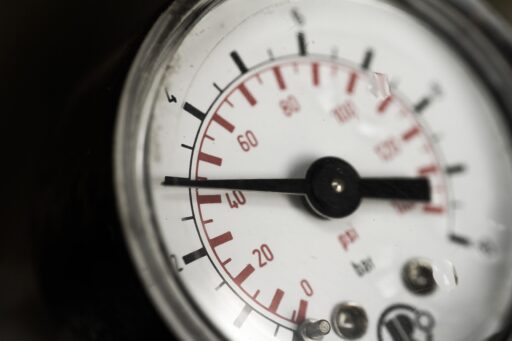
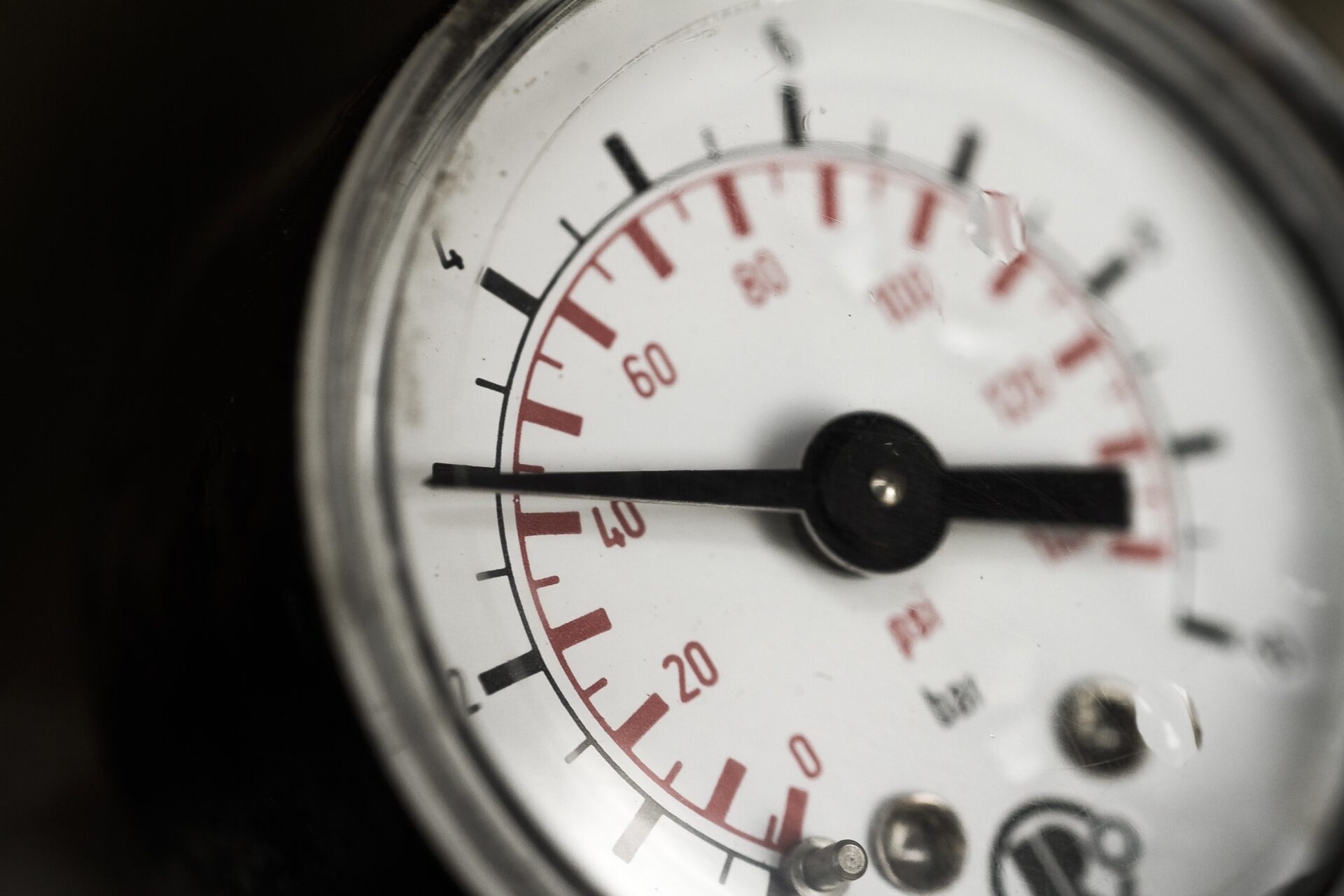
Use a Pressure Gauge

The most accurate way to measure your water pressure is by using a pressure gauge. Follow these steps:
- Purchase a pressure gauge from a hardware store or online retailer.
- Attach the gauge to an outdoor tap or washing machine connection.
- Turn on the tap fully and note the reading.
Normal water pressure typically ranges between 2.0 to 3.0 bar (30 to 45 psi). You likely have high water pressure if your reading exceeds 4.0 bar (60 psi). Also, you can check our article on how to measure and calculate your water pressure using different methods.
Look for Signs of High Pressure
Even without a gauge, you can spot signs of high water pressure:
- Banging or knocking pipes
- Leaky taps or running toilets
- Appliances wearing out quickly
- Excessive splashing from taps
Methods to Reduce Water Pressure
Once you’ve confirmed high water pressure, consider these solutions:
Install a Pressure Reducing Valve (PRV)
A PRV is the most effective way to control water pressure. Here’s what you need to know:
- PRVs are typically installed where the main water line enters your home.
- They automatically reduce the incoming water pressure to a safe level.
- Installation may require professional help, especially if you’re not experienced with plumbing.
Adjust an Existing PRV
If you already have a PRV installed, it may just need adjustment:
- Locate the PRV near your main water shut-off valve.
- Look for an adjustment screw on top of the valve.
- Turn the screw clockwise to decrease pressure or counterclockwise to increase it.
- Make small adjustments and recheck the pressure with a gauge.
Restrict the Stop Valve
For a temporary solution, you can partially close your main stop valve:
- Find your external stop tap, usually near your water meter.
- Slowly turn it clockwise to reduce the water flow.
- Be cautious not to close it completely, as this can affect your water supply.
Additional Considerations
Contact Your Water Supplier
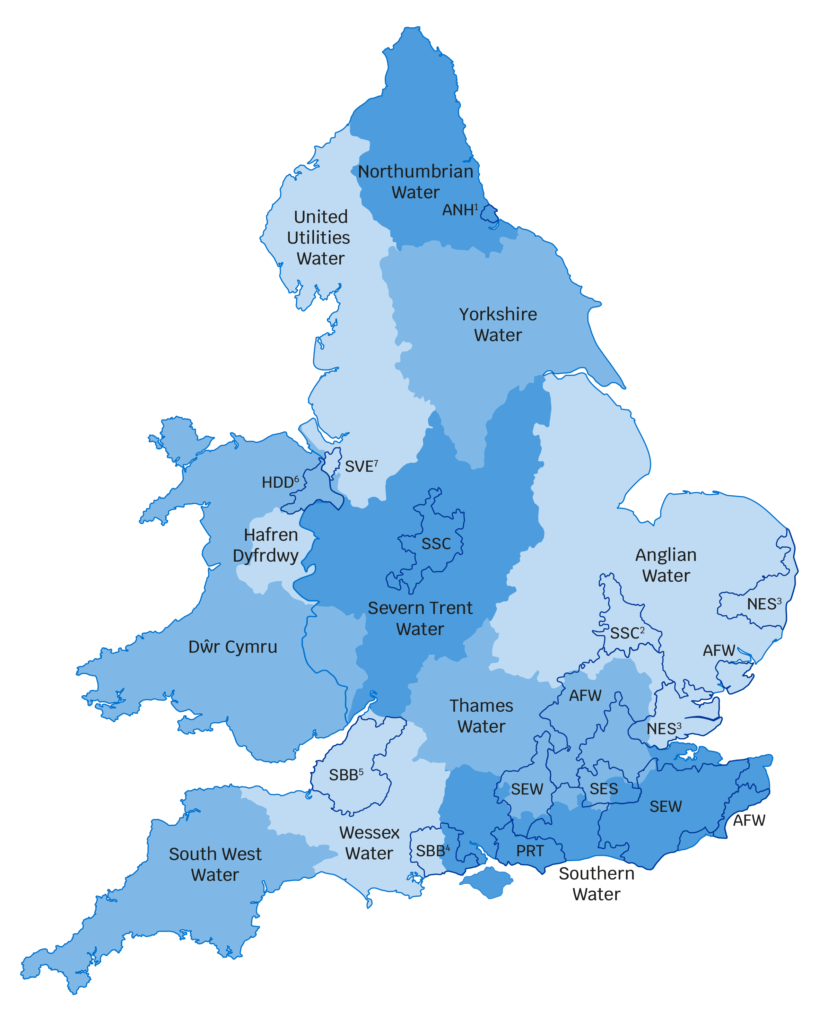
If your water pressure is consistently above 5.5 bar (80 psi), it’s advisable to contact your water supplier. They may be able to adjust the pressure from their end or provide further assistance.
Install an Expansion Tank
When reducing water pressure, consider installing an expansion tank, especially if you have a closed hot water system. This helps manage thermal expansion and prevents pressure build-up.

|  |  |
Regular Maintenance
Once you’ve addressed high water pressure, maintain your system:
- Regularly check your water pressure (at least annually).
- Inspect pipes and fixtures for leaks or damage.
- Service your PRV according to manufacturer recommendations.
By following these steps, you can effectively reduce and manage your home’s water pressure, protecting your plumbing system and appliances while ensuring comfortable water use throughout your property.